Prepared, not powerless: when a community prepares, disaster loses power
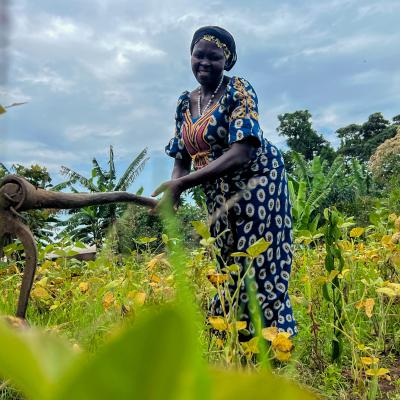
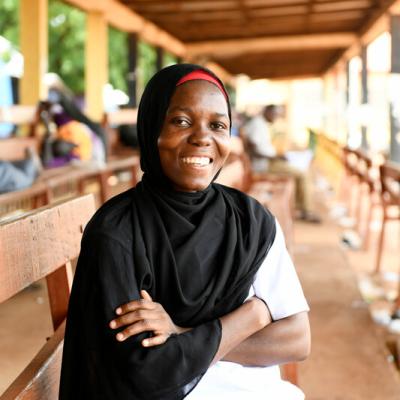
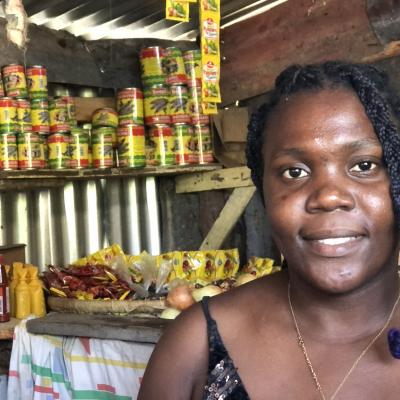
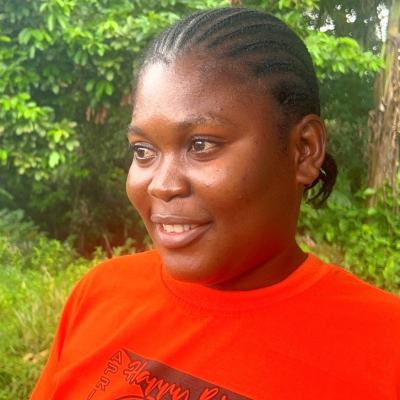
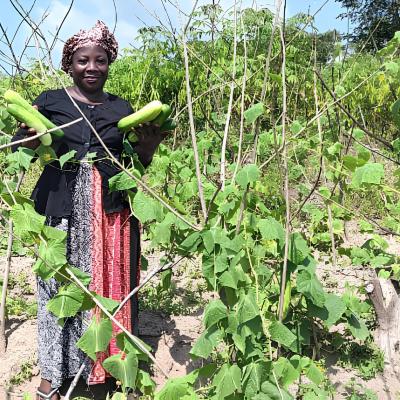
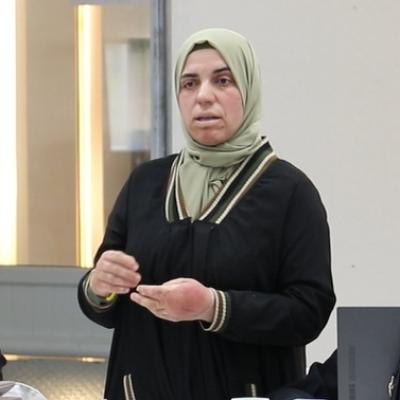
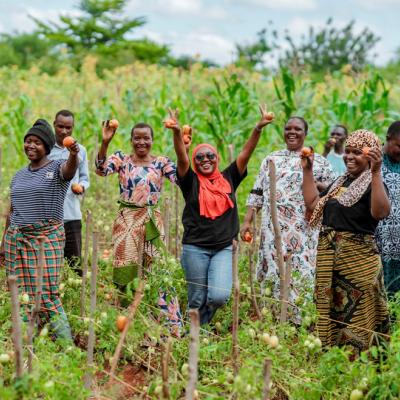
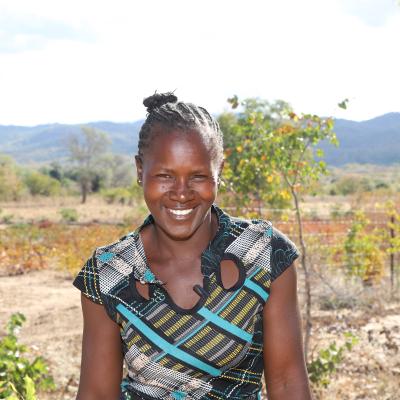
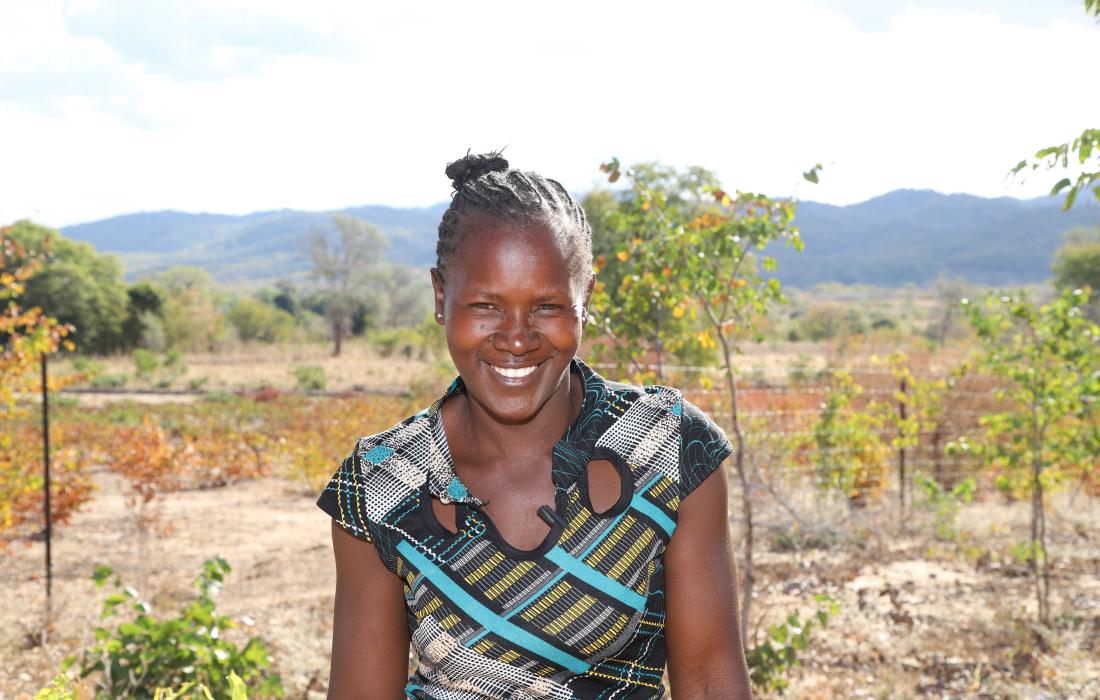
In the quiet village of Sompani, in Gwembe District of Zambia’s Southern Province, Melvis Malambo, a committed member of the Satellite Disaster Management Committee (SDMC), is helping lead a community transformation that promises to be powerful. In a district where over 95% of households rely on rain-fed agriculture and there are regular shocks to the climate, Melvis has seen first-hand how droughts, erratic rainfall and extreme weather can impact livelihoods, food security and community stability.
“I remember walking long distances just to find wild fruits and roots, ‘mahabe’ for my family and our children to be able to eat. The fields were bare, and there was nothing to harvest. It was heartbreaking to see my children cry for food, and there I was helpless, not able to feed by family”, Melvis recalls.
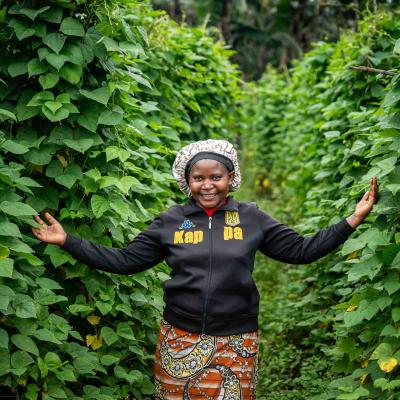
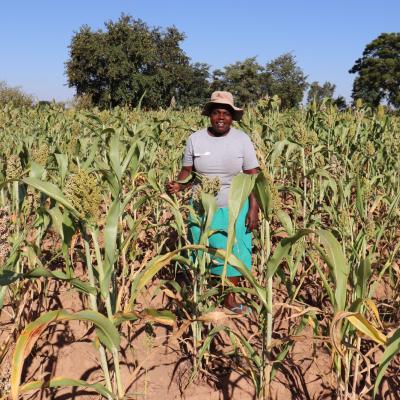
“In 2025, I participated in anticipatory action, early warning systems, and climate-resilient agriculture trainings. Adding to the knowledge I have, I can now interpret weather and climate advisories (messages), share timely alerts with my fellow community members. I also encourage my community to adopt the use of organic manure use, crop rotation, and the cultivation of drought-tolerant crops such as sorghum and millet. Under livestock, I do encourage my community to keep goats and chickens for both food and income security”, Melvis narrates.
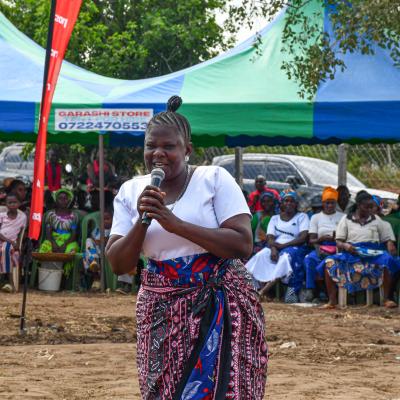
Today, Melvis has become a trusted voice for disaster preparedness in Sompani, bridging the gap between technical disaster risk strategies and the everyday realities of her community. By translating complex information into practical actions that people understand and embrace, she ensures that preparedness is not just talked about but lived. Through community meetings, shared learning, and leading by example, Melvis is helping families see that resilience begins at home.
She shares: “we have realised that waiting for help is not an option. We must prepare ourselves before the disaster comes”.
Her leadership is strengthening local resilience, reducing dependence on emergency aid, and inspiring greater community ownership of disaster risk reduction efforts. What started as awareness has now become action; households are thinking ahead, communities are organising themselves, and preparedness is becoming part of everyday life.
To address the structural barriers to women’s control over resources at a national level, ActionAid and partners have used evidence from communities to lobby to strengthen climate and environmental governance frameworks, succeeding in amending the "Green Economy and Climate Change Act and enactment of the Environmental Management (EIA) Regulations of 2026". This collective work has contributed to increased climate finance attention, including approval of USD 25 million from the Green Climate Fund for smallholder farmer climate risk protection and USD 37.7 million in funding from the Government of Zambia towards the Sustainable Agriculture Financing Facility (SAFF), a government-backed initiative that provides affordable loans to small- and medium-scale farmers, cooperatives, and small and medium sized enterprises. ActionAid supports women and young people to ensure that the funds are effectively and accountably disbursed towards food security. Melvis’s story is a powerful reminder that lasting change begins within communities, but for these efforts to grow and reach more households, continued support, resources, and collaboration is essential. Investing in community-led resilience today means protecting lives, livelihoods, and futures tomorrow.