Planting the future; unleashing the power of seeds
The first rays of the morning sun stretch across the dry plains of Chamwino District in Dodoma Region, Tanzania. In Msanga village, the land carries the memory of many seasons, some generous, others painfully dry.
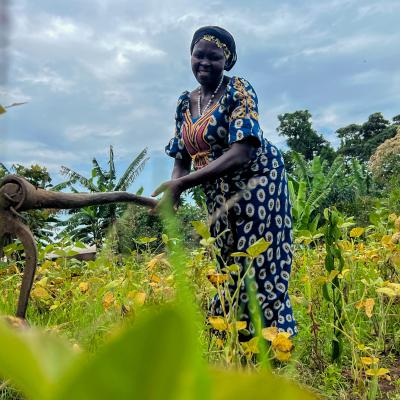
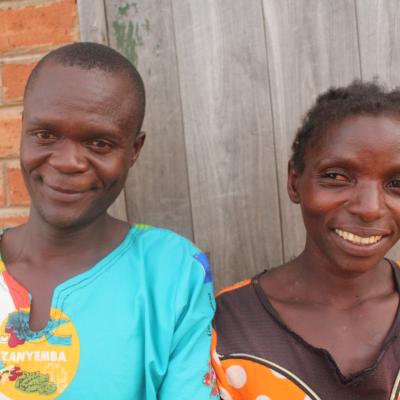
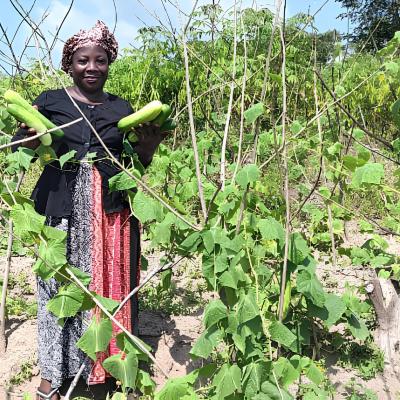
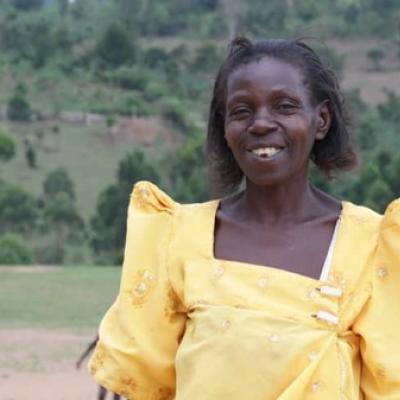
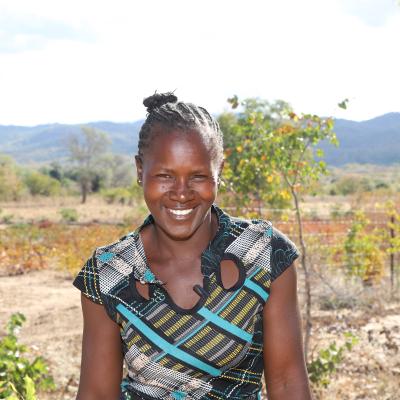
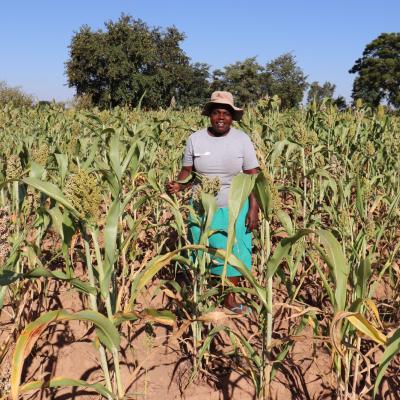
Janeth Nyamayahasi walks slowly through her field, holding a small calabash filled with sorghum seeds. She pauses and lets the grains slip gently through her fingers.
“When I hold our seeds in my hands, I see not just food, but our future,” she says softly.
For many years, farming in Chamwino was filled with uncertainty. Due to climate shifts, the rains were unpredictable, harvests were poor, and because national policy and support systems did not prioritize farmers’ needs, they struggled to access quality seeds. Like many families in the village, Janeth and her husband worked tirelessly on their farm but still faced difficult seasons.
“We worked very hard on our farm, but the harvest was never guaranteed,” her husband recalls. “Every season we worried about whether the rain would come.”
Many farmers depended on buying seeds as part of industrial packages alongside fertiliser - often expensive and poorly adapted to the dry conditions of the area. Slowly, indigenous seeds that had sustained communities for generations began to disappear.
The turning point came when farmers in Msanga began receiving training on agroecology and community seed systems. Through this, they strengthened their knowledge of conserving indigenous seeds and also began engaging local leaders and policy makers to advocate for stronger support for farmer-led seed production and climate-resilient agriculture.
These collective advocacy efforts have contributed to growing recognition of farmers’ needs in local planning. Between 2023 and 2025, the district agricultural budget increased from about 900 million to 1.2 billion Tanzanian shillings, while 40 million shillings have been allocated to climate change initiatives to support more resilient farming systems.
Today, Msanga is one of eight wards in Chamwino District that have established community seed systems reflecting a growing recognition that farmers are not just seed users, but seed custodians and producers.
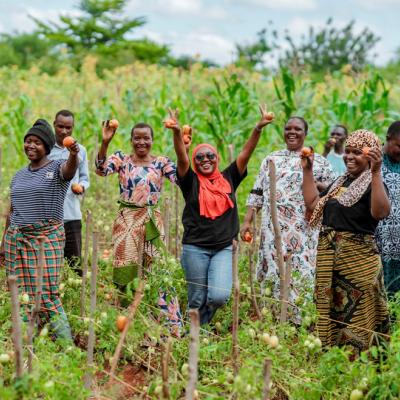
In the ward, farmers have established one community seed bank and two seed farms, along with seed demo plots where indigenous crops such as sorghum, millet, cowpeas, and traditional vegetables are preserved and multiplied.
“At our seed bank, farmers can borrow seeds during planting season and return them after harvest,” Janeth explains. “This keeps our indigenous seeds alive in the community.”
This season, through improved planting techniques and collective efforts, farmers expect to harvest about 200 kg of maize seed and 500 kg of sorghum seed from the seed farms. On the seed farms and seed demo plots, farmers practice agroecological methods such as composting, crop rotation, and intercropping to improve soil health and strengthen seed quality.
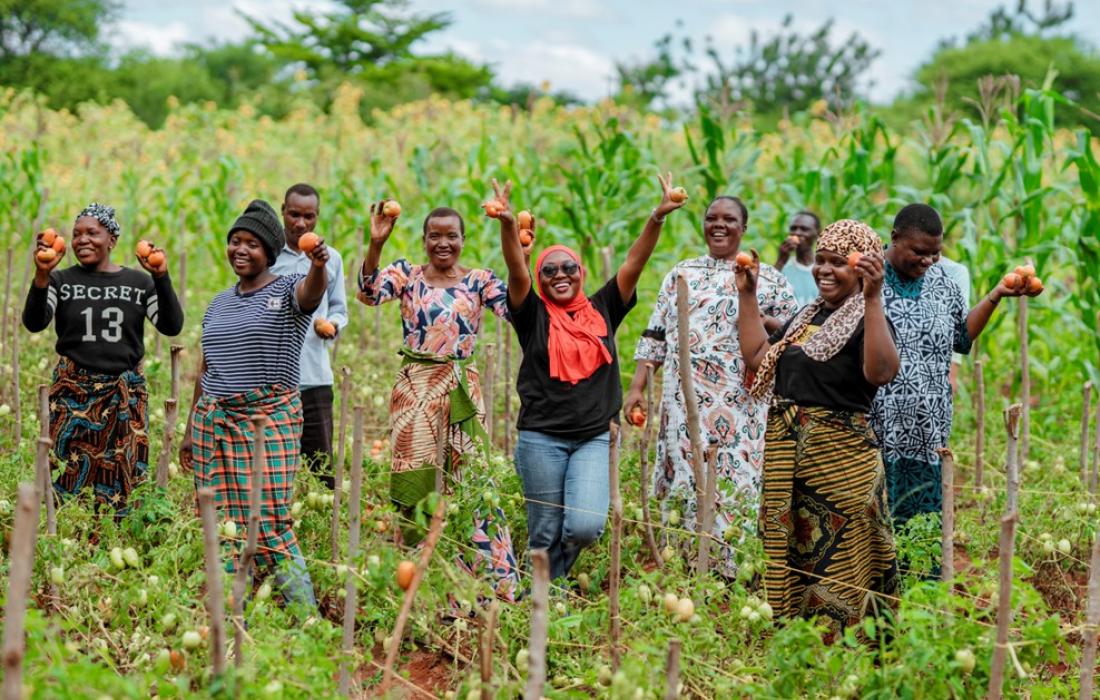
Janeth has become one of the farmers inspiring others - especially women - to take part in protecting local seeds and strengthening their food systems.
“I used to think women’s ideas in farming were small,” her husband says proudly. “But Janeth has shown our whole community that women can lead real change.”
The results are already visible. Last season, Janeth harvested 12 bags of maize; far more than the 4 bags her family used to harvest before. She believes the improvement came from using indigenous seeds and practicing better agroecological farming methods.
Janeth’s story does not stop in her field in Msanga. Through their reflection circles, she and other women farmers continue to mobilise communities, calling for the review of the National Seed Act (2003) to formally recognise organic seeds as a pillar of climate resilience for farming communities in Tanzania.
Standing in her field, Janeth reflects on the journey.
“Seeds are life for farmers,” she says. “When we protect our seeds, we protect our food, our culture, and our future.”
Her husband looks across the growing crops and smiles. “Before, every season felt like a struggle,” he says quietly. “Now when I see these seeds in Janeth’s hands, I see hope not just for our family, but for our whole community.”
In Msanga, seeds are no longer just something farmers plant in the soil. They are seeds of resilience, dignity, and a future farmers are reclaiming for themselves.