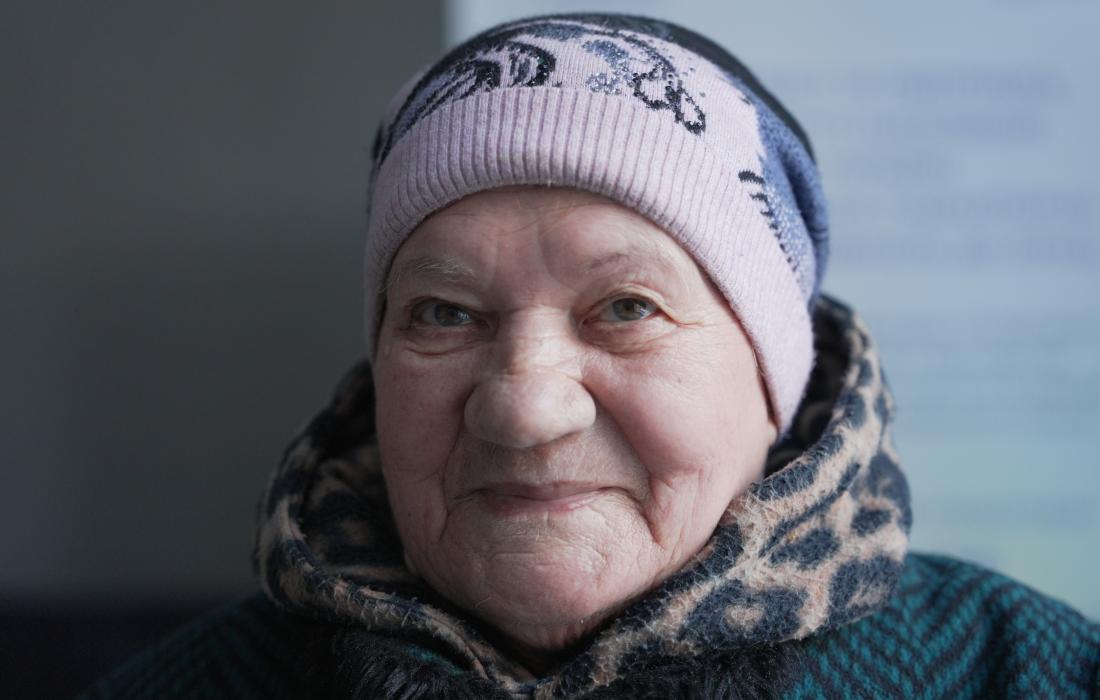
Survival of elderly IDPs in Dnipro during the cold winter; Valentyna Telepnova's story.
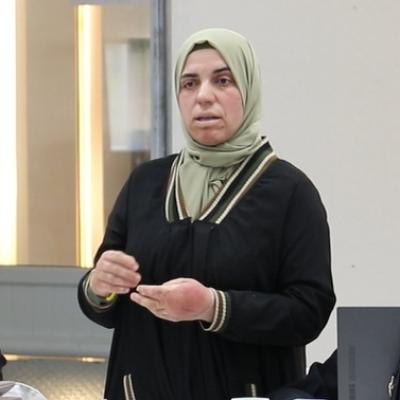
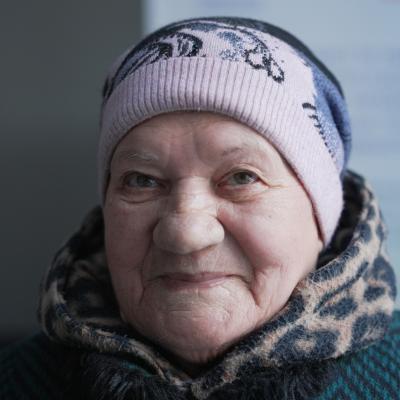
Valentyna is an 85-year-old internally displaced woman from the Donetsk region, now living in a collective shelter after fleeing the war. She worked at the 'Central' mine, helping build it from the ground up before continuing there in operations and later construction. Over 42 years of service, she earned the respect of her colleagues and management alike; “I am proud of myself,” she says quietly. “I never skipped work. I worked conscientiously.”
Her life changed in 2022, when Russia’s full-scale invasion reached her town. Shelling shattered windows, destroyed balconies, and left buildings torn open. Glass covered the entrances and courtyards. One nearby building was struck directly; a grenade hit the second entrance and exploded inside. The newly built kindergarten was completely destroyed. “It was scary to look at,” she recalls. “There was no water, no electricity. Broken glass everywhere.”
Valentyna has now lived in the shelter for a year and a half, since the Red Cross evacuated them on 23 August 2024. At first, four women shared a single room. Today, she still lives in the dormitory-style centre, where she says she feels safe and cared for. The staff provided clothes, shoes, blankets, and basic necessities. “Everything from head to toe,” she says. “They take care of us. You can’t even put it into words.”
Despite her age, Valentyna remains remarkably independent. She slowly walks to the shop and pharmacy and insists on caring for herself. “That’s why I can still walk - slowly, but I walk. Thank God.”
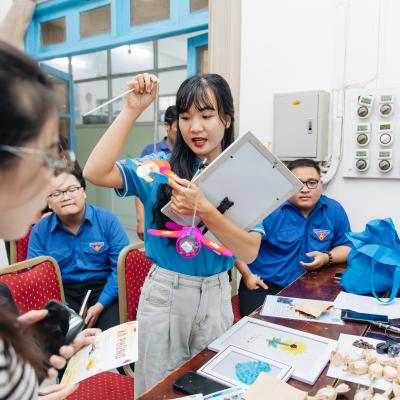
Life in the shelter includes more than safety. Residents participate in painting sessions, physical exercises, creative workshops, and group discussions. For Valentyna, these activities are not just a way to pass time, they are a rediscovery; “It was the first time in my life I painted like that,” she says with a smile. “Beautiful shapes. We even made little horses from plasticine.”
Through humanitarian support, she also received essential medical devices, including a blood pressure monitor and a blood sugar monitor - items she says she would not have been able to afford on her own.
“They asked what we needed. We wrote it down, and everything I requested was provided. Everyone received what they asked for. We are grateful.”
When asked if she would consider moving elsewhere, perhaps abroad, she answers firmly: “I don’t want to go anywhere. I will stay here.”