Imelda: From displacement to justice
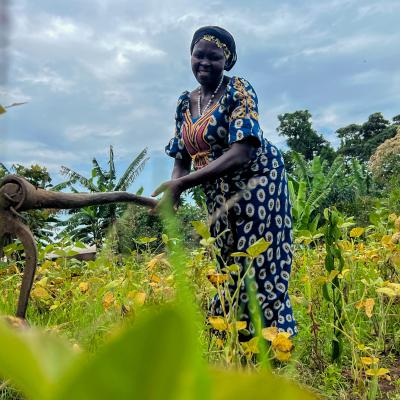
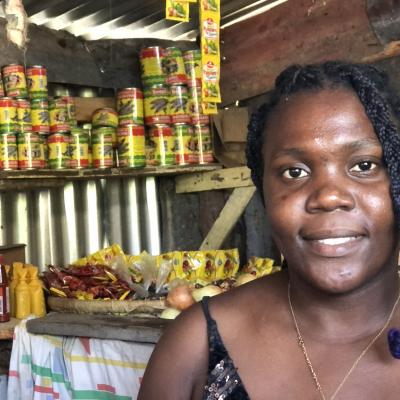
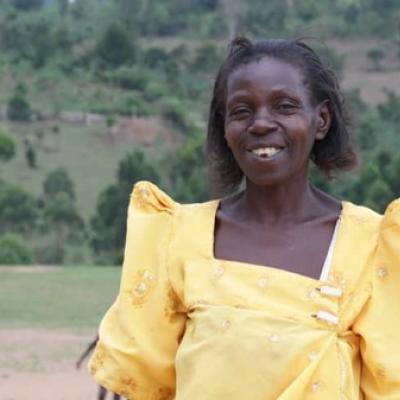
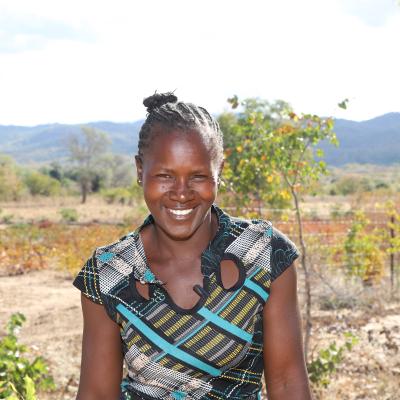
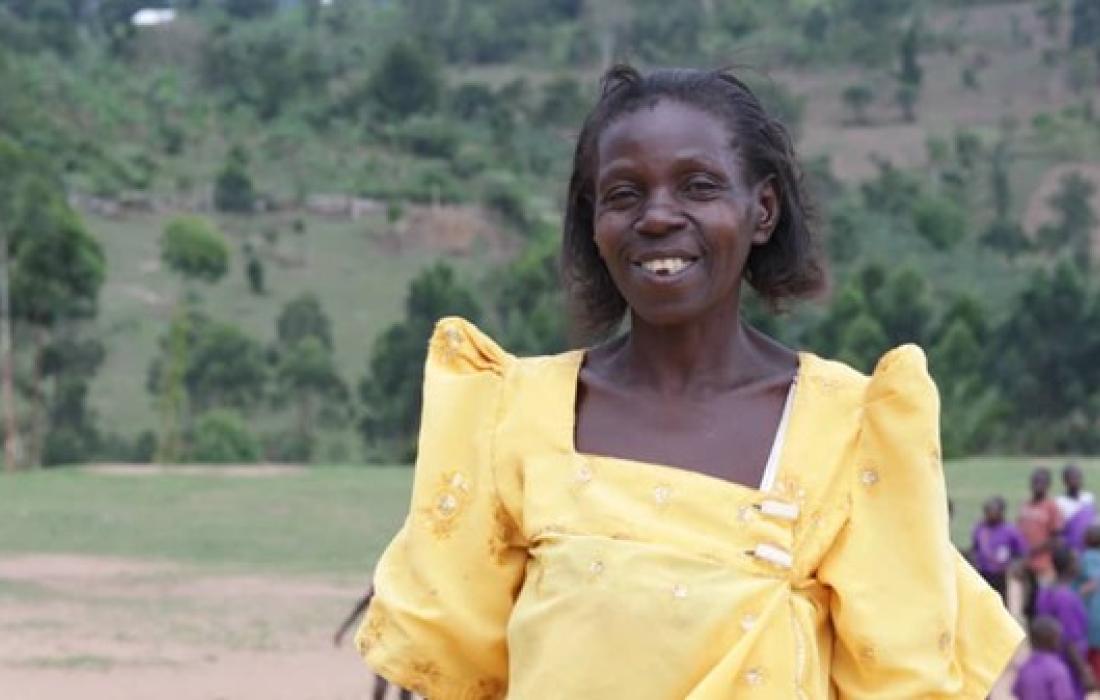
When we sit down with Imelda, a 55 year old mother from Mubende, she glows with quiet strength in her bright yellow gomesi. Yet behind her calm presence lies a story of loss, resilience and a long fight for justice.
More than two decades ago, her life was abruptly disrupted when the land where she and her community had lived for years was allocated by the government to an investor for coffee production. What followed was a violent eviction that left many families without homes or livelihoods.
“One day, we saw trucks filled with soldiers coming to our homes,” Imelda recalls. “They ordered us to pack our belongings and leave.”
While some people fled in fear, Imelda and others chose to stay, determined to defend what they believed was rightfully theirs. “We said, ‘This land is ours. Why do you want us to leave?’” she says. Their resistance was met with force. Soldiers fired bullets, destroyed homes and forcefully removed families from the land.
“That night, we slept at the market,” she adds.
The aftermath was devastating. Without land, families lost their main source of food and income. Hunger became a daily reality, and shelter was fragile and uncertain. “Sometimes the children would cry because of hunger and as a parent, you would also cry,” Imelda shares. “One time, the rain destroyed our shelter and iron sheets cut my child.”
Her experience reflects a broader reality faced by many communities across Uganda, where displacement, lack of compensation and limited awareness of land rights continue to undermine livelihoods. In many cases, women are disproportionately affected, often denied ownership and decision-making power over land.
Despite these challenges, Imelda and her community did not give up. Instead, they began organising to demand for accountability and justice. With support from ActionAid Uganda and its partners, including legal experts, they embarked on a long journey to claim their rights. Through a combination of legal aid, community mobilisation and advocacy, the community was able to document violations, file a case against the government and the Attorney General and pursue compensation.
This was an approach reflecting wider efforts to address land injustices across the country. For example, during the 9th Land Awareness Week, ActionAid and its partners provided legal aid, raised awareness on land rights and connected communities directly with lawyers and government officials, helping to amplify community voices and channel their concerns to national decision-makers.
After 24 years of persistence, the community’s efforts began to bear fruit. In 2025, the first group of 103 out of 441 affected people received compensation and Imelda was among them. “It has taken so long, but at least now we have seen change,” she says. Choosing to settle her case out of court, she was finally able to begin rebuilding her life.
Today, Imelda stands proudly in front of her nearly completed home, a powerful symbol of recovery and resilience. With the compensation she received, she has built a safer and more stable house, she is supporting her son’s education and has regained a sense of security and dignity.
Beyond the material gains, she highlights the power of persistence, collective action and legal empowerment. It also draws attention to the gendered realities of land rights, where women continue to face systemic barriers to ownership and control. Efforts such as legal aid clinics and awareness campaigns are helping to challenge these norms by increasing women’s knowledge of their rights and supporting them to act.
Imelda’s journey shows that change is possible, even after decades of injustice. It demonstrates that when communities come together, are supported to understand their rights and are able to engage in advocacy at different levels, they can begin to challenge systemic inequalities and demand for accountability.
Many others are still waiting for justice, but Imelda remains hopeful. “We should not give up,” she says, “even when it takes long, justice can come.”