Democratic Republic of Congo
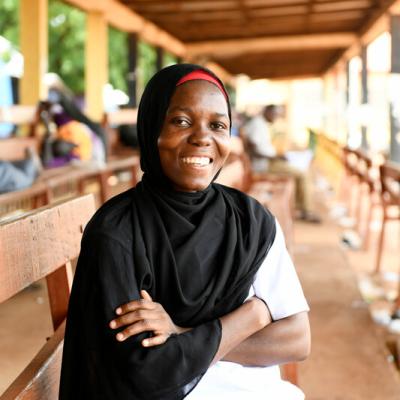
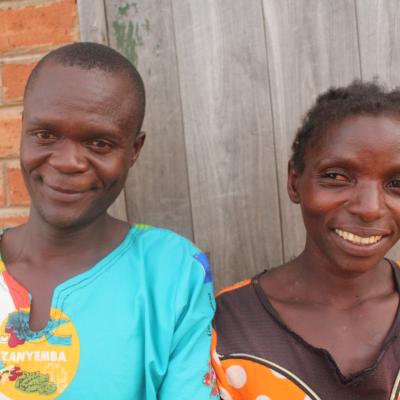
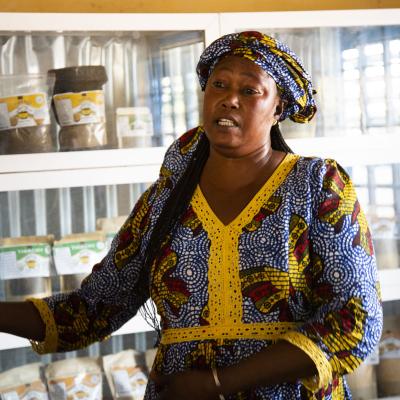
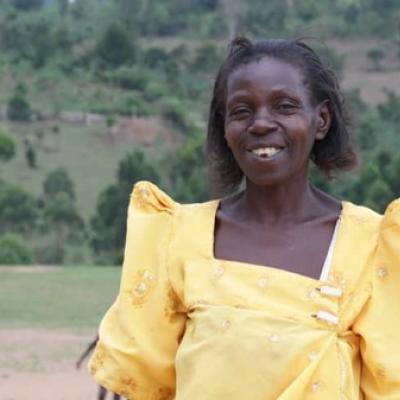
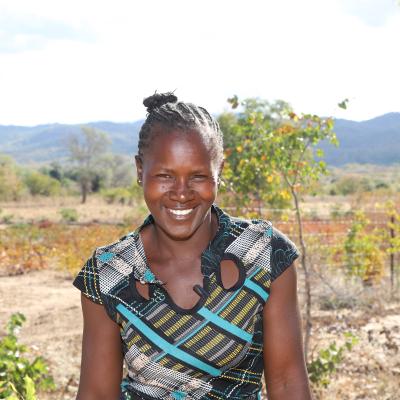
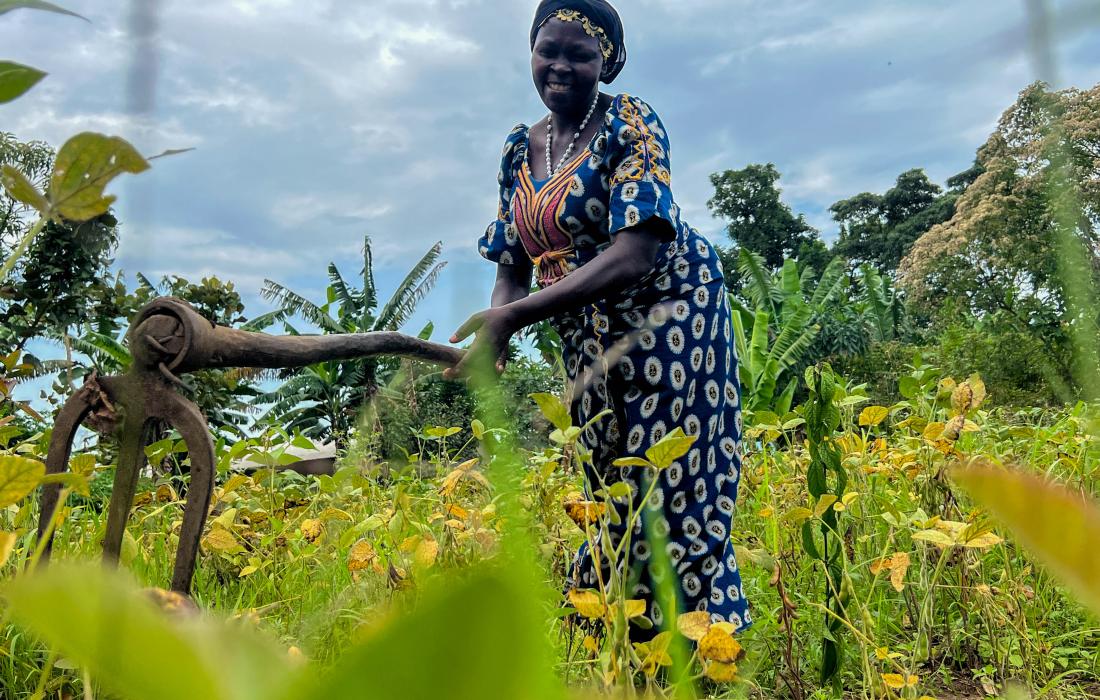
Dz'ra Christiane; when the rains changed, we changed too
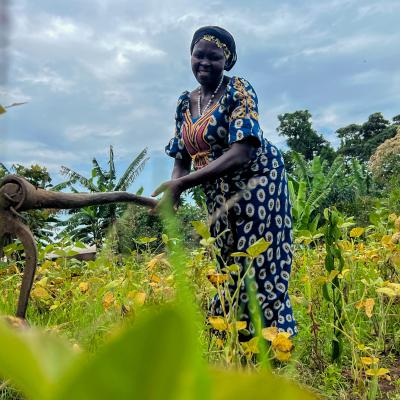
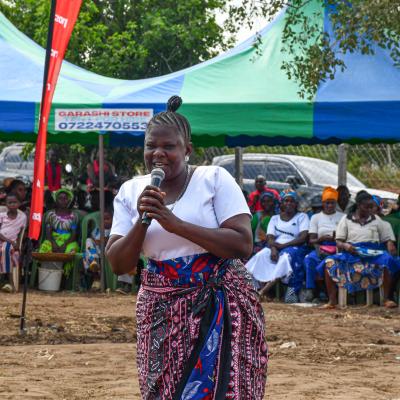
Lita is a farming community in the Ituri province of the DRC where over 97% of its inhabitants practice some form of agriculture. Farmers prepare their land hoping the rains arrive when they always have, but in recent years that rhythm has begun to shift.
“The rain no longer comes the way it used to,” said Dz'ra Christiane, a forty-seven-year-old farmer and mother. “Sometimes we prepare the fields and then we just wait.”
Christiane’s life, like that of many families in Ituri, has been shaped by repeated waves of conflict. Armed violence forced her family to flee their home more than once, leaving behind land, tools and harvests. When they finally resettled near Lita, they had to rebuild their lives. Farming was the only way forward, yet the rains arrived late or stopped early - crops that once grew easily no longer thrived.
“We have been farming the way our parents taught us,” Christiane explained. “But the seasons are no longer the same.”
Across the community, many farmers face the same uncertainty. Harvests are shrinking, and families worry about how they will feed themselves through the year. Christiane remembers this frustration.
“You work the land the same way, but the land answers differently,” she said.
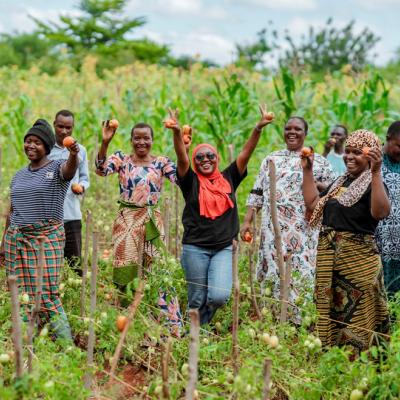
The Transformative Impact Fund (TIF) initiative, brought together more than 100 farmers from surrounding villages to test agroecological practices and learn from one another. Instead of being told what to do, farmers tested ideas side by side, observing what worked and sharing their own experiences.
For Christiane, one discovery stood out. “I used to put many seeds in one hole,” she said with a smile. “I believed that if I planted more seeds, more plants would grow.”
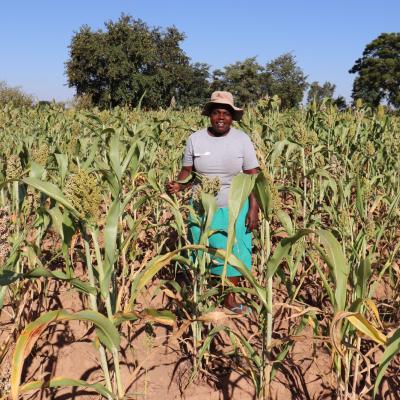
But the demonstration plots revealed something unexpected. Crops planted with proper spacing and nourished with organic manure grew stronger and produced better harvests, even when the rains were unpredictable.
“They had room to grow,” Christiane explained. “They could survive even when the rains were uncertain.”
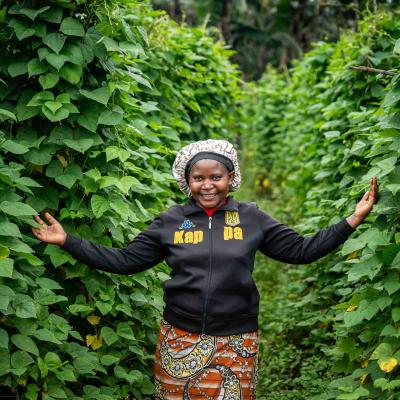
Christiane decided to try the method in her own field. She began planting in straight lines and giving each plant enough space. Where she once harvested very little from her small plot, the improved practices helped her produce enough food not only to feed her family but also to save seeds for the next season.
“Before, everything we harvested had to be eaten” she said. “Now I can save seeds for the future.”
Saving seeds meant more than improved farming. It meant stability in a place where life had often been disrupted by conflict and displacement. Today, several farmers who participated in the TIF initiative have begun adopting these agroecological practices across their own fields.
“We talk about these things together now,” Christiane said. “When the rain changes, we have to change too.”
Through these shared discussions, farmers began adapting their practices to new climate realities while supporting one another with knowledge and experience. While many governments continue to invest heavily in expensive chemical fertilisers, farmers in Lita are demonstrating that low-cost agroecological practices, such as improved spacing, organic manure, and shared learning, can strengthen resilience and increase harvests even in fragile and conflict-affected environments.
Supporting approaches like the TIF project has proven that when farmers are given the opportunity to experiment, learn collectively and adapt their practices, meaningful change can happen at the local level. For organisations like ActionAid, continuing to invest in such community-led learning initiatives can help reach many more farmers facing similar challenges across Ituri and beyond.
Across Africa and other regions where smallholder farmers face similar climate uncertainties, initiatives like the TIF contribute to a growing global movement advocating for agroecology as a sustainable pathway for food systems transformation. For governments and development partners, the lesson is equally clear; public financing should increasingly support agroecological solutions that strengthen farmer’s resilience to climate change, rather than relying solely on costly external inputs.
For Christiane, however, the most important transformation is not only the harvest she produces, it is the confidence she has regained.
“When you lose your home because of conflict, you feel like you have lost everything,” she reflected. She paused before continuing. “But when the field grows again, you feel that life can grow again too.”
Today, Christiane continues to farm, share ideas with neighbours and encourage other farmers to observe, learn and adapt together. Her experience reflects a broader lesson emerging from communities across Ituri, even in the face of conflict and changing climates, farmers are finding ways to reclaim control over their land and their future. And as Christiane puts it simply: “When the rains change, we must change with them.”
Back to map