Women leading change: stories from Rwanda
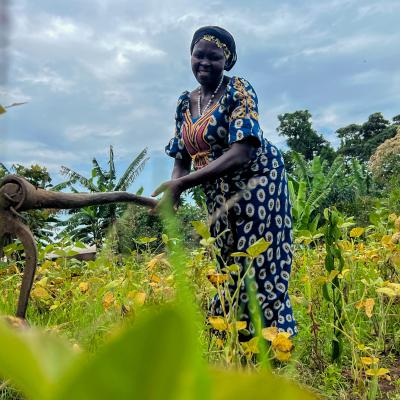
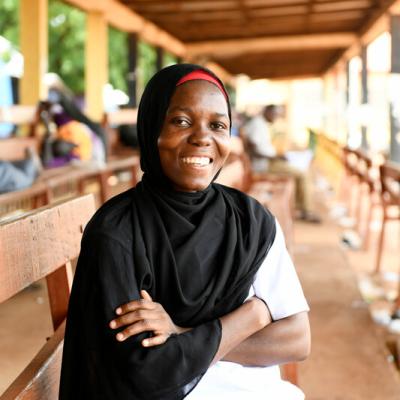
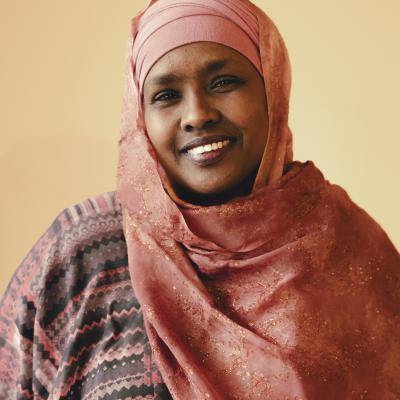
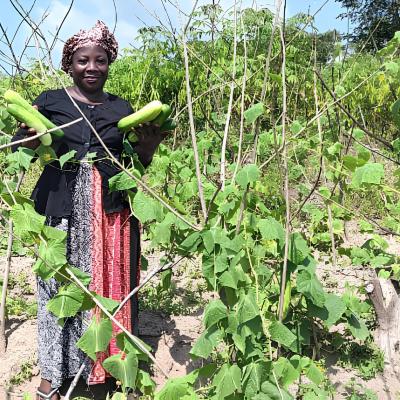
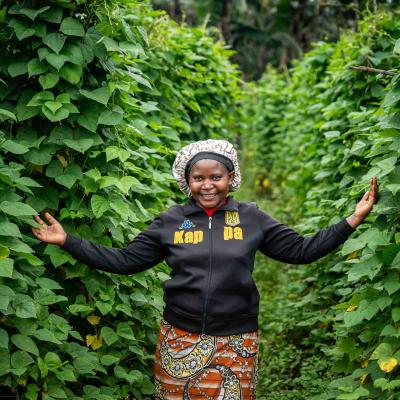
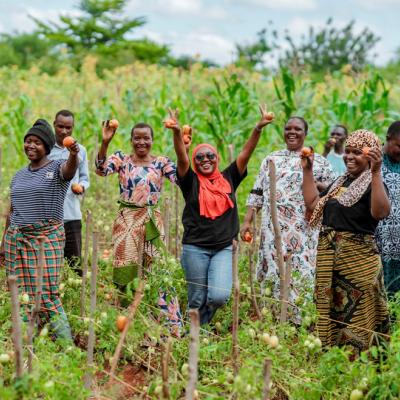
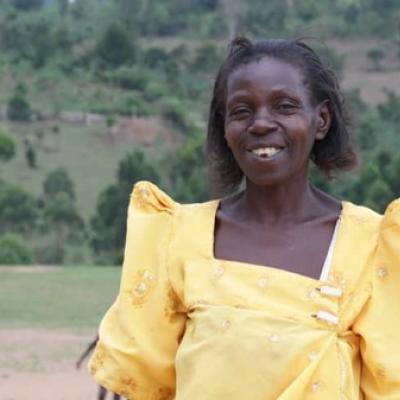
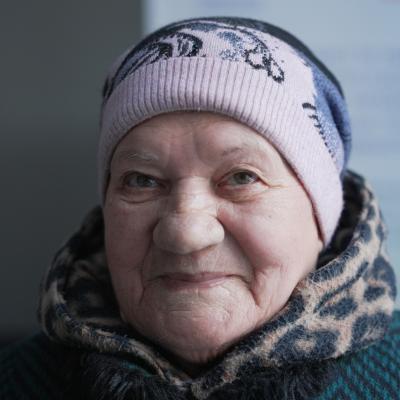
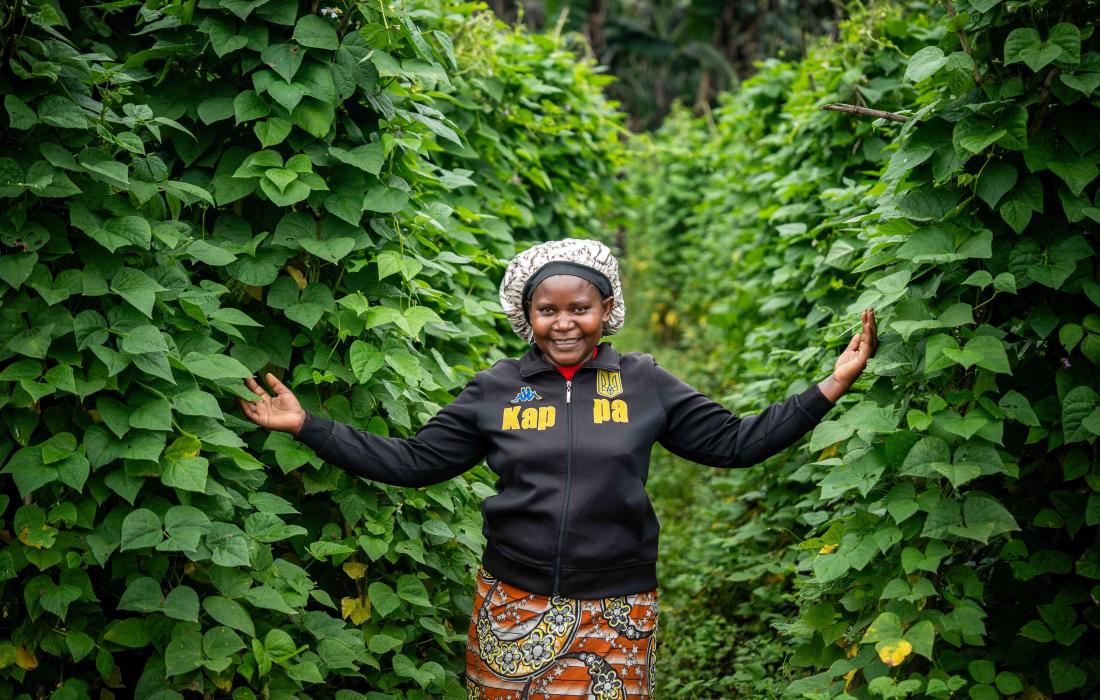
Landrada, a 40-year-old farmer from Musanze District, Rwanda has adapted her farming practices to the changing climate. Landrada and the cooperative of local women work hard to find solutions to the many challenges they face, including poor yields, land access and decision making.
Like many women in Landrada ’s community, life was shaped by unequal gender norms, limiting her ambitions. She relied heavily on others for financial support, limiting her ability to contribute to her household and stripping her decision-making power. Meeting basic needs for her family was a daily challenge - bean and vegetable yields were low, with only 40kgs of beans produced on a 5 acre farm. Climate change worsened her situation; the heavy rain destroyed crops, strong winds damaged farmland, and soil erosion reduced productivity.
ActionAid supported Landrada and other women in the community to improve agricultural yields, Landrada explains how, ‘’I received training in agroecology and climate-resilient farming practices, including the practice of composting and organic fertilisation, soil conservation and erosion control, environmentally friendly pest management organically.’’
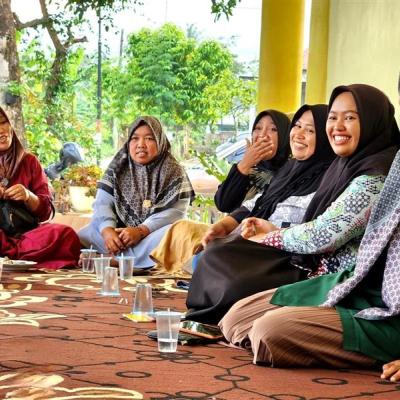
Additionally, Landrada joined a women’s cooperative which has built solidarity in shared struggles - sharing knowledge and building their confidence. Through training in women’s rights and leadership, she began to understand her role not just as a beneficiary, but as a decision-maker and leader in her community.
Landrada has moved from a position of economic dependence to one of empowerment through applying agroecology practices which supported the increase in her agriculture production.
“Now I am producing surplus crops that I sell in local markets, I am now able to produce 200kgs of beans in the same 5 acre farm, fetching 1,000-1300 FRW per kilo. This income enables me not only to meet my family’s needs but also to save for the future, strengthening my household’s resilience. With improved farming practices, my family now enjoys sufficient and nutritious food, marking a significant shift from the uncertainty we once faced.” says Landrada.
Landrada feels that the moment of change came when, after harvesting a large harvest, she took her produce to market. Her organic and abundant produce quickly attracted buyers, and everything sold. In that moment, she realised her own strength and capability, proving that she could succeed in farming using agroecological practices.
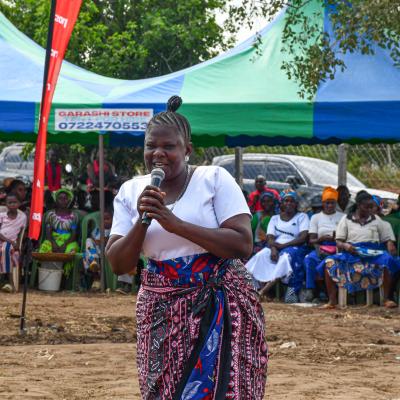
Today, she speaks openly, makes informed decisions, and actively participates in community life. Her growth has also translated into leadership: she now serves as a member of the Cell Land Committee and works as an agricultural advisor; roles that were once out of reach.
Landrada is direct about what still lies ahead. Gender inequality and harmful cultural norms continue to place unequal burdens on women farmers. Climate change has not relented. She advocates for sustained investment in women like her, not out of dependency, but because she understands exactly what becomes possible when women are given the tools and space to lead.